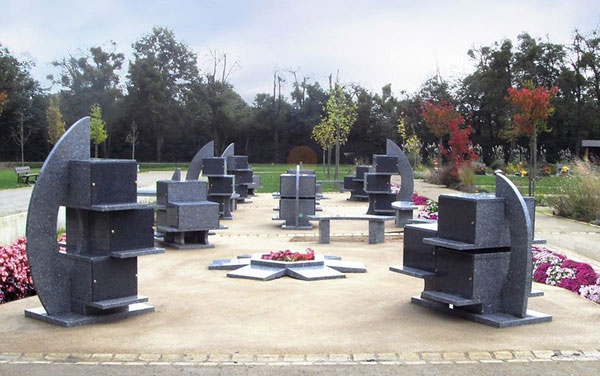
Reduced mobility is a disability that reduces the ability to move around in buildings and facilities open to the public. In France, it is estimated that over 2 million people have temporary or permanent mobility problems. However, many cemeteries remain inaccessible to these people, and it is the responsibility of the mayor and public services to provide a quality service to their constituents.
Access to cemeteries for people with reduced mobility
Accessibility of public places to people with reduced mobility is a real concern: getting around in a wheelchair or with the help of a walking stick can be a real obstacle course if the environment is not fitted out to PMR standards, i.e. standards for people with reduced mobility.
The "Handicap" law of February 11, 2005 is one of the main laws governing the rights of disabled people. It stipulates that: "for equal rights and opportunities, participation and citizenship of disabled people, all persons must be able to carry out the acts of daily life and participate in social life, whatever their disability". This law represents a considerable step forward in meeting the expectations of people with reduced mobility, as its principle is based on generalized accessibility to all living spaces, in particular to all facilities open to the public (IOP) and all establishments open to the public (ERP).
As of January1, 2015, all existing POIs, such as cemeteries, must be accessible to people with disabilities or reduced mobility, in order to offer the full range of services for which they were designed. It is therefore the responsibility of the town hall to ensure that the cemetery is accessible to the public.
Choosing an experienced cinerary partner for an installation that complies with standards
Improving the quality of reception for people with reduced mobility requires proven know-how and experience. Ensuring the greatest possible independence of movement, access to the different areas of the cemetery, use of the equipment installed and easy orientation are essential measures that Granimond has been mastering for over 25 years.
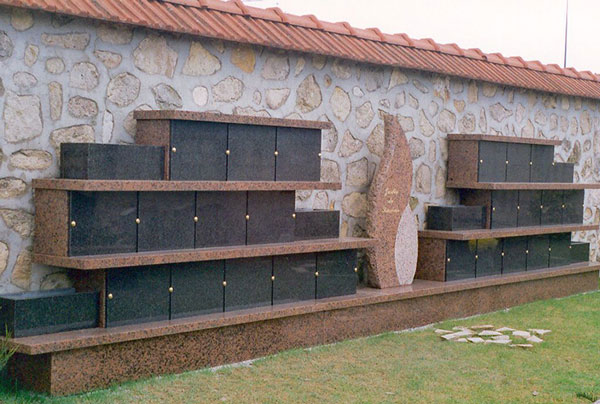
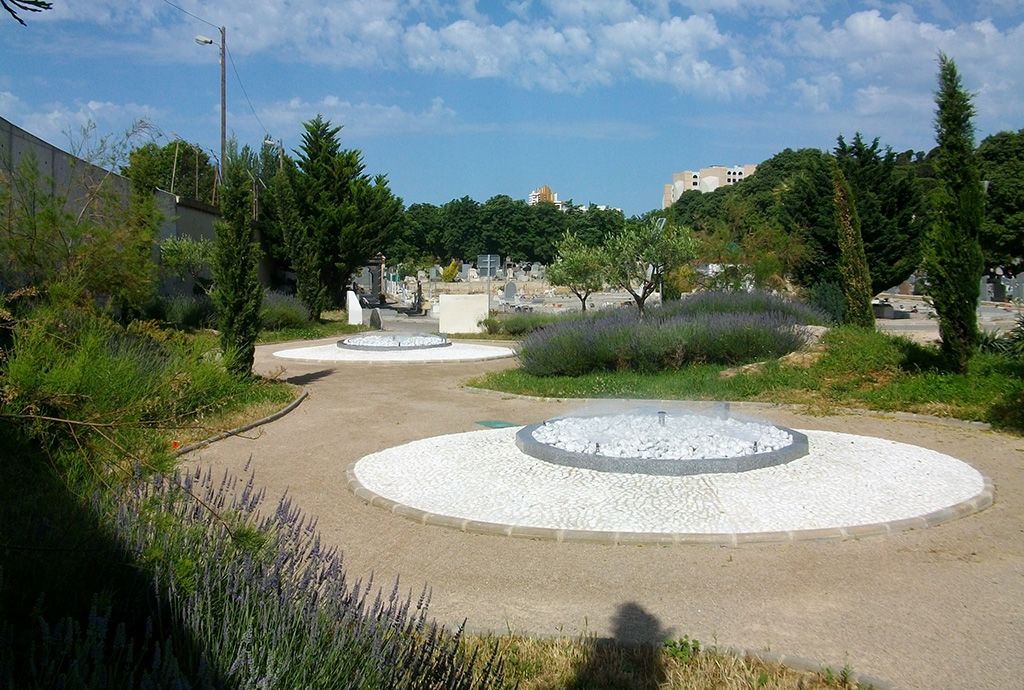
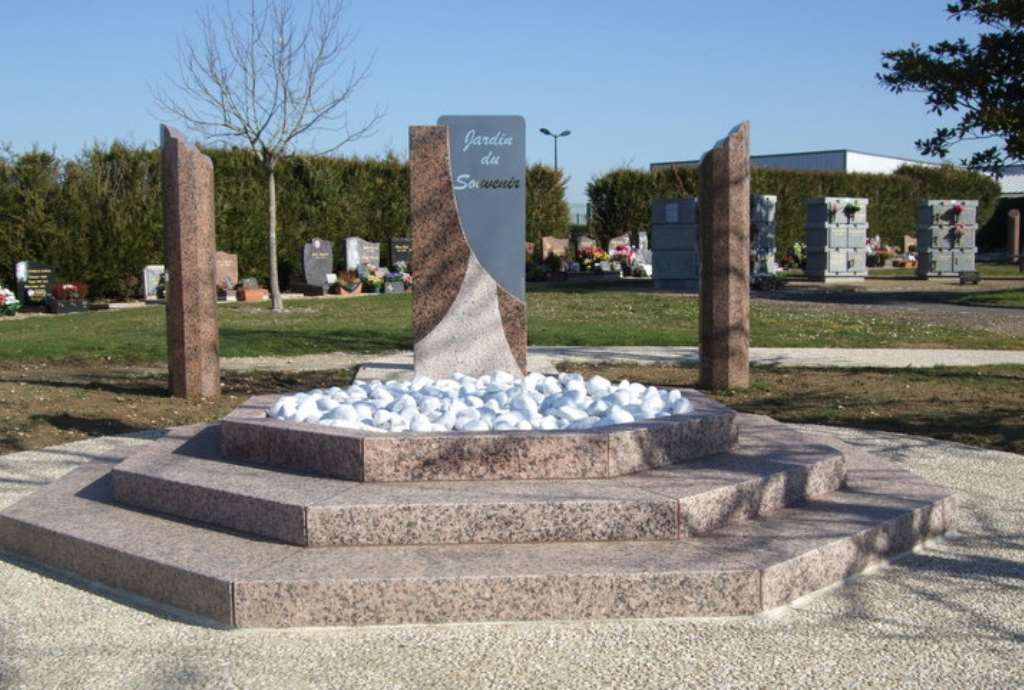
In order to design and upgrade cinerary spaces(columbariums, memorial gardens, memorials, etc.), we send our regional managers to the sites so that they can study the local authorities' projects and propose a fully customized 3D model of the future layout of the cinerary space. This virtual simulation (CAD) offers a clear and pertinent view of the layout possibilities, as it shows the alternatives and options that can be envisaged in relation to the existing installations, to allow the best possible accessibility to the site for people with reduced mobility.
What's more, presenting this virtual project to the public underlines the elected representatives' determination to make their cemetery a peaceful place of remembrance, accessible to all, whatever their disability.
The Granimond team