In France, when someone dies, only two choices are available to the deceased's next of kin: cremation or burial. This is a particularly difficult decision to make, especially when the deceased has not clearly expressed a preference.
In general, this choice is made for a number of reasons: religious, personal, economic, cemetery saturation... But for several years now, a new factor has been weighing more and more heavily in the decision-making process: ecological conviction.
Indeed, people who have developed an ecological conscience during their lifetime want to have as little impact as possible on the planet once they have passed away. While in other countries, so-called ecological practices are available, such as bio-cemeteries, in France we have two possible choices: cremation or burial. So, which process should we choose to have the least impact on the environment? That's today's topic.
Cremation, a more ecological practice than you might think
Although cremation has an undeniable impact on the environment, it has a bad reputation. Because the remains of the deceased are placed in a crematorium, it is common to think that the smoke released during the process is more polluting than burial, but this is not the case.
As part of the burial process, the funeral home performs thanatopraxy on the body. This involves injecting 6 to 7 liters of septic and sterilizing products to slow down the decomposition process over a period of 2 to 3 weeks.
An unavoidable practice, it has the drawback that once the deceased is buried, the decomposition of the body releases polluting compounds into the soil and surrounding waters.
As far as cremation is concerned, the pollution produced by this process lies in the combustion of resources during the heating up of the crematorium. In order to reduce the body of the deceased to ashes, it is necessary to subject the remains to a very high temperature (850°C). Despite this, it is estimated thatcremation generates 10% fewer pollutant emissions than burial.
A rise in the number of cremations is expected
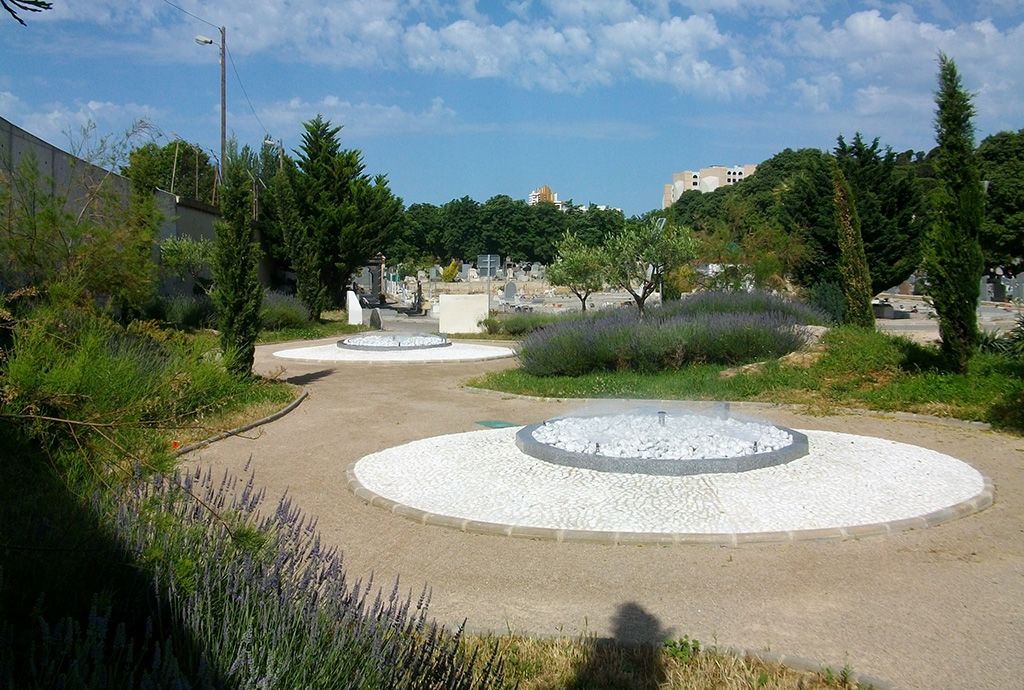
More environmentally friendly, cremation is becoming increasingly popular in France. Estimated at 32% in 2016, the number of cremations is set to rise to 49% of funerals by 2030. This is a trend that town halls are obliged to anticipate in order to meet their commitments to their constituents. Indeed, one of the duties of mayors is to provide the facilities required to accommodate the commune's deceased in the cemetery, whether they choose burial or cremation.
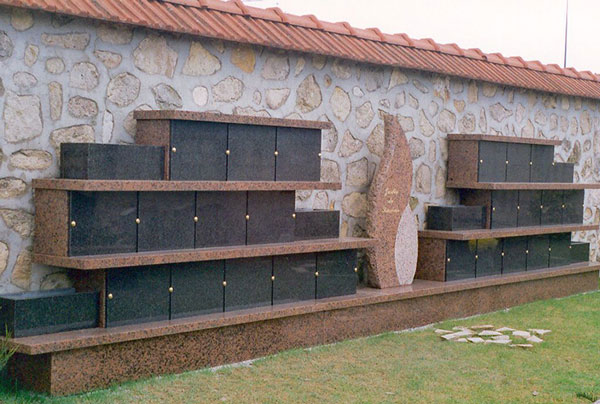
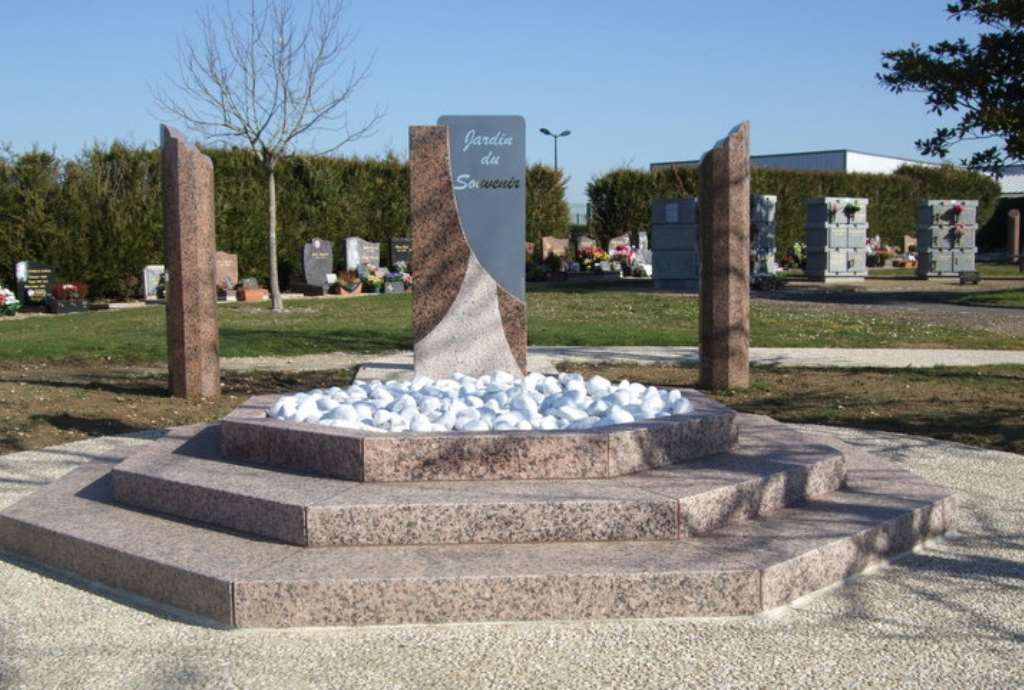
To find out more about our cinerary facilities, please consult our catalog or contact one of our regional managers directly.