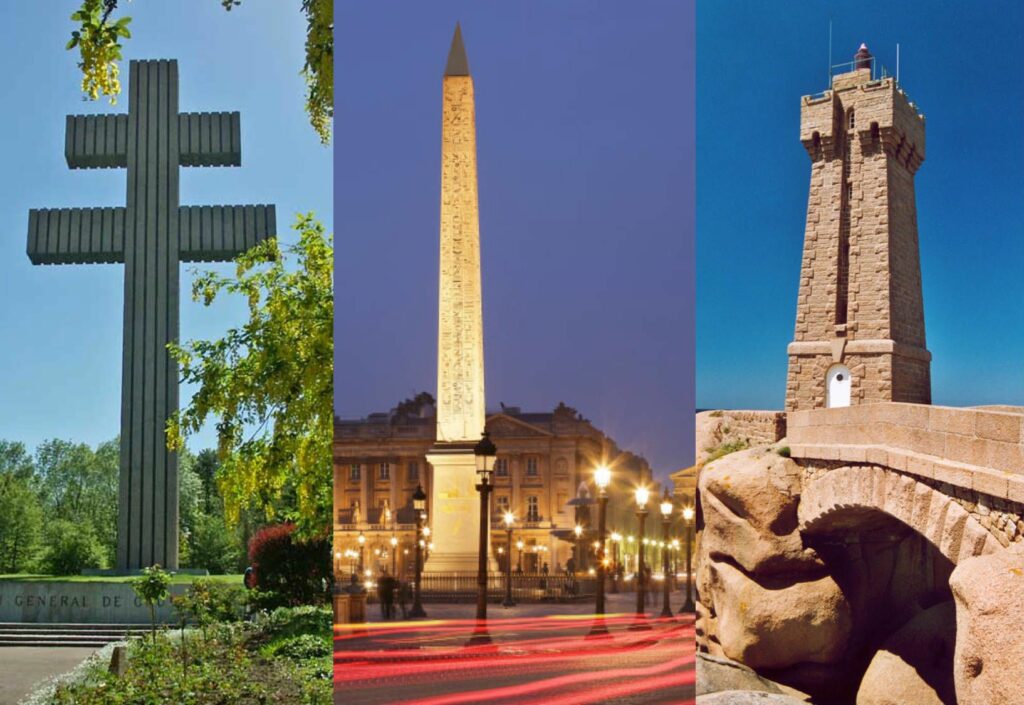
Granite is one of the noblest materials in the world. Unaffected by external aggression, its polish and shine remain intact over time. With such qualities, it's hardly surprising that it's used in so many buildings. Here's a closer look at some of France's finest granite monuments.
The Cross of Lorraine at the Charles de Gaulle Memorial
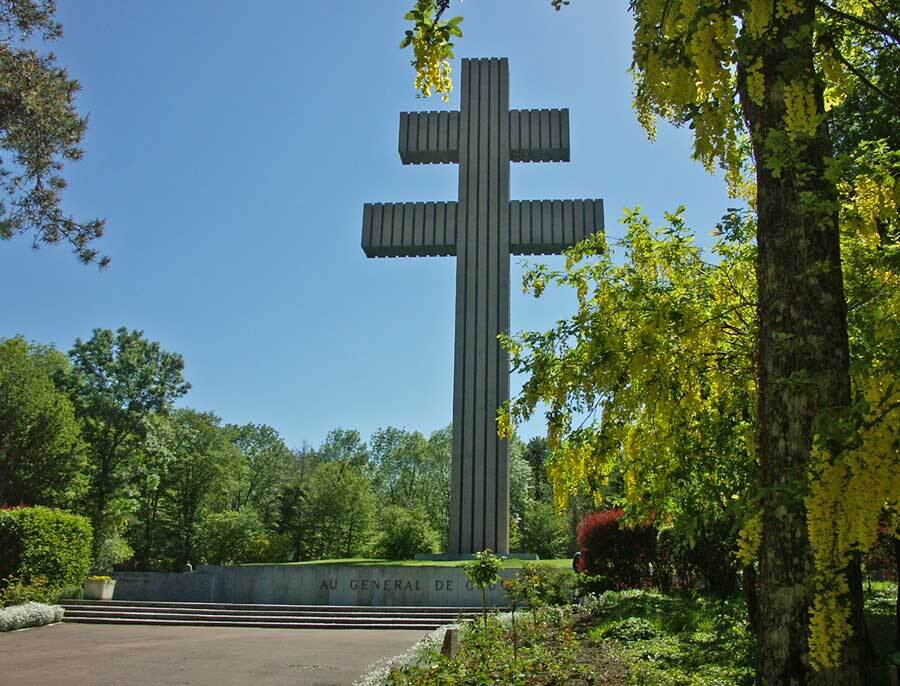
Planted on a hill, as the General wished, the Cross of Lorraine of the Charles de Gaulle Memorial overlooking the village of Colombey-les-Deux-Églises is breathtaking. An absolute symbol of Free France, this historic monument was inaugurated by French President Georges Pompidou on June 18, 1972.
Designed byFrench architect Michel Mosser, the construction of this cross was a real technical challenge. Standing 44.30 metres high and weighing a total of 950 tonnes, it is clad in pink granite and finished with bronze surfaces. The granite was cut into large blocks using thermal lances, then cut to the required dimensions in a sawmill.
In all, it took 118 days of uninterrupted work to build it, thanks to the relentless efforts of over 350 journeymen, engineers and master builders. Almost forty-five years after its completion, the Croix de Lorraine is admired by over 100,000 people every year.
The obelisk at Place de la Concorde
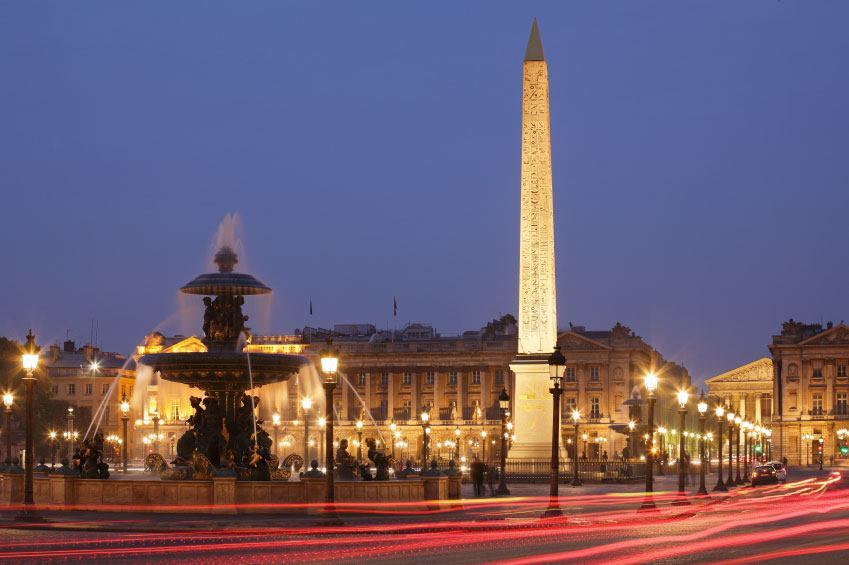
Classified as a historic monument in 1936, this obelisk has stood at the center of Place de la Concorde since 1836, on the initiative of French King Louis-Philippe. An emblematic monument of Paris, it was presented to Charles X and France in 1829 by Mehemet Ali, Viceroy of Egypt, as a sign of goodwill between the two countries. Originally, the gift represented the two obelisks erected in front of Luxor Temple, but only one was eventually transported to the French capital.
And so begins an extraordinary seven-year journey for this historic monument, measuring 23 metres and weighing almost 230 tonnes. Made of pink granite from Aswan, a town in Egypt a few hundred kilometers from Cairo, the obelisk is covered with hieroglyphs recounting the victories of Ramses II. Only the original base was replaced. Decorated with baboons whose sexual attributes were a little too generous, it was not installed so as not to offend the prudish French society of the 19th century. Its current base is made of pink granite blocks from Brittany.
Ploumanac'h lighthouse (or Mean Ruz lighthouse)
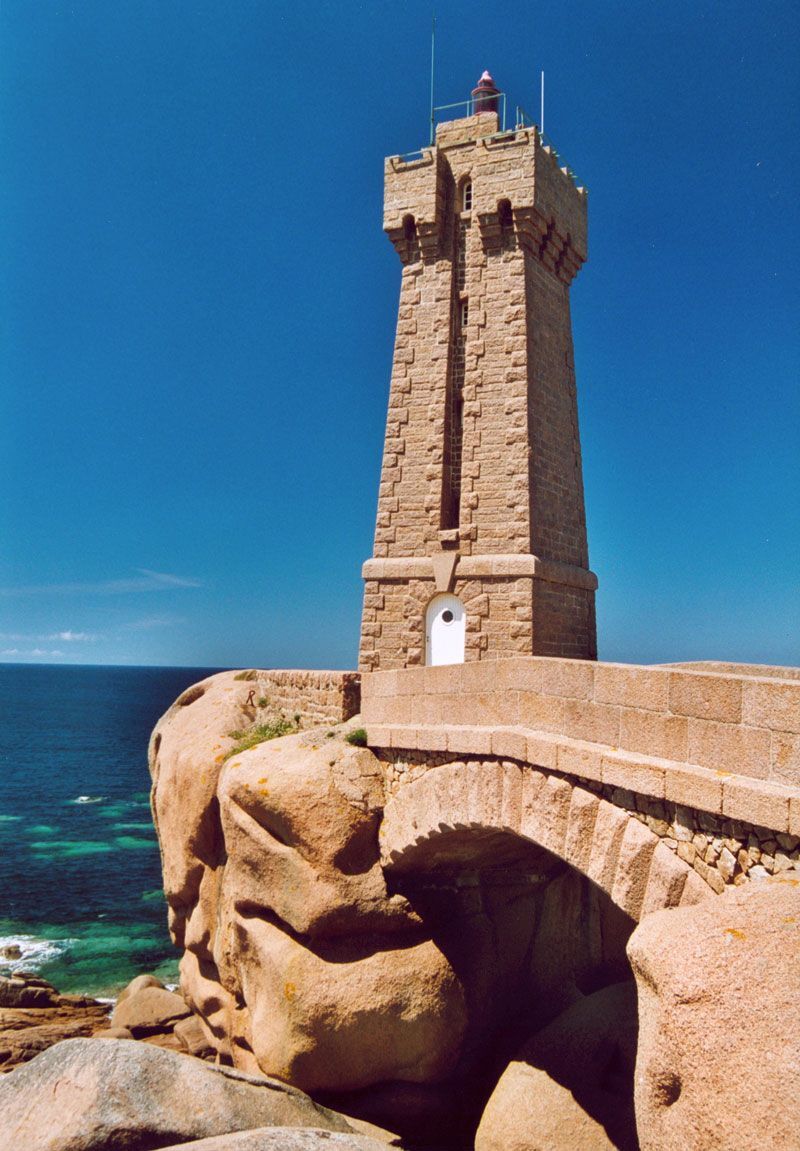
Located on the customs path in the commune of Perros-Guirec, Brittany, the Ploumanac'h lighthouse was built in 1860 to make it easier for ships to find the town's harbor entrance. Destroyed in 1944 by fire from German troops during the debacle, it was finally rebuilt four years later as a continuation of the previous lighthouse. The 15-metre-high square tower also bears the name Mean Ruz, "red stone" in Breton, the name of the point on which it was built and the stone with which it was constructed: granite. Facing the sea and the Sept-Îles archipelago, amid pink granite rocks, it is a favorite with photographers.
The Granimond team