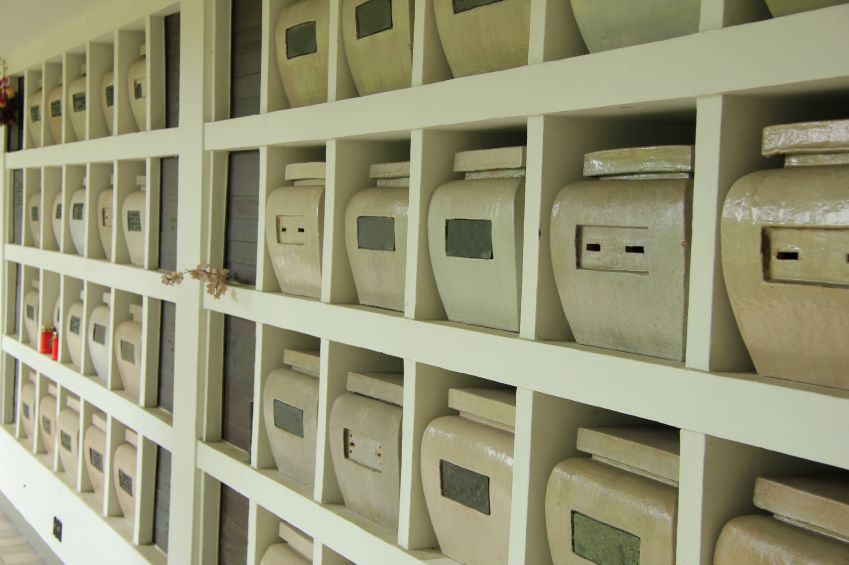
Cremation has turned funeral traditions on their head. In full expansion, it has developed considerably over the last few years, prompting communes and local authorities to equip themselves accordingly, in order to comply with new legislative standards and accommodate their deceased.
How can we explain such an expansion in cremation?
Every day in France, more than 450 people choose cremation for their own or their loved ones' funerals, representing around 170,000 cremations a year in nearly 160 crematoria. Whereas in 1980, cremation funerals accounted for just 1% of deaths, by 1993 they had risen to around 11%, and are now estimated at 33%, including 10% scattering of ashes. They are expected to reach the 50% mark by the 2020s.
Cremation has thus become a widespread and fast-growing habit . Authorized in France since the law of November 15, 1887 on the freedom of funerals, it wasn't until the 1990s that it really took off. Changing mentalities (notably the rejection of the degradation of the body) and relations with religion, the fear of being a "burden" after death for those left behind (maintenance of the grave) and the lifting of the Catholic Church's ban in 1963 largely contributed to and encouraged the practice of cremation.
Communes and local authorities have had to adapt and acquire equipment from professionals
In response to this growing demand, municipalities and local authorities have undergone major legislative changes concerning cremation. Indeed, the law of December 19, 2008, stipulating that the ashes of a deceased person must henceforth be treated with the same respect as that accorded to a mortal remains, has only accentuated this interest in the choice of cremation.
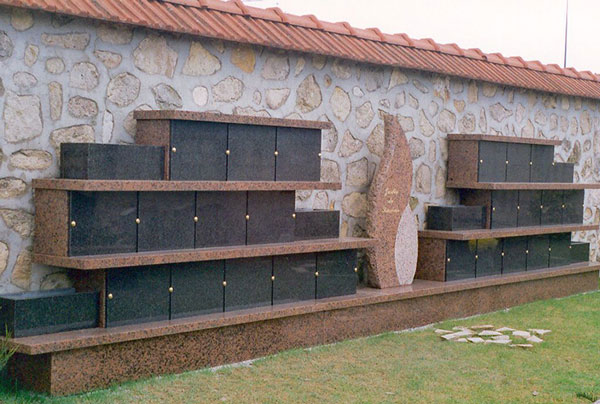
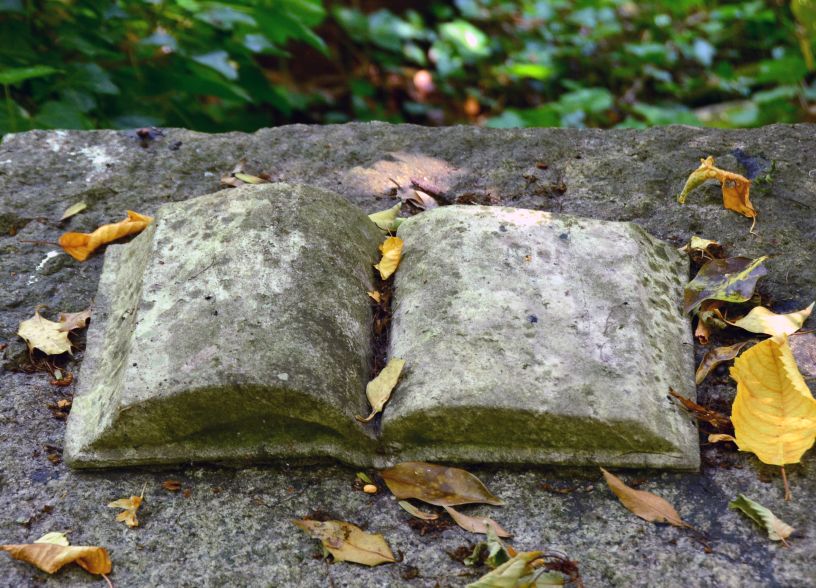
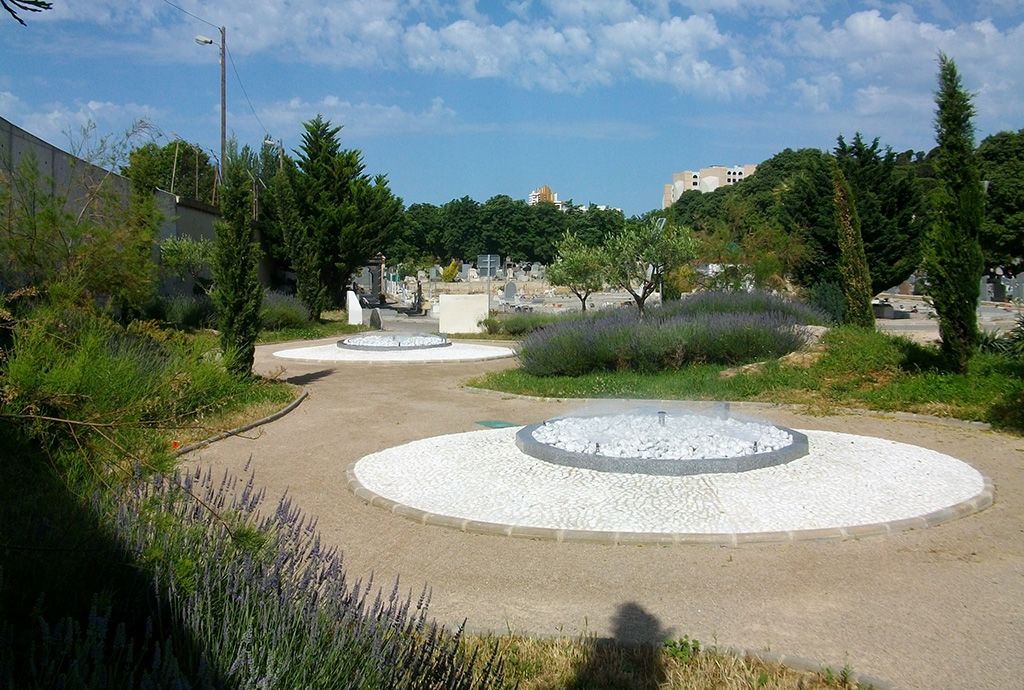
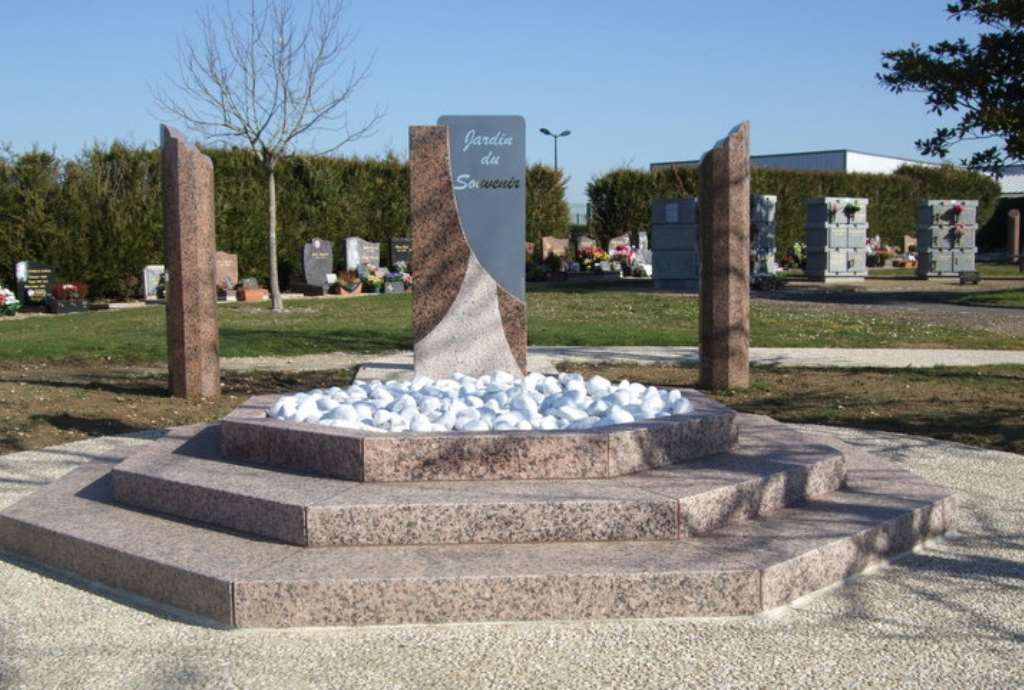
As of January1, 2013, communes have had to adapt and develop their cemeteries in line with specific regulations: they are required to have at least one plot of land available for the creation of a cinerary site toreceive the ashes of deceased persons whose body has given rise to cremation. This legislation applies to all municipalities with a population of over 2,000, and it is their responsibility to ensure that this space is equipped for the scattering of ashes(memorial garden), with signage (memorial book, column or simple commemorative plaques mentioning the identity of the deceased), as well as a columbarium and/or spaces reserved for theburial of urns (link to buried urns)
However, crematorium ceremonies, the scattering of ashes or the burial of an urn can be traumatic for families. It is therefore essential that local authorities support the families of the deceased by making the cinerary site a place of contemplation and peace. The expertise of a cinerary professional such as Granimond enables communes and local authorities to create or develop an existing space, in line with current standards and the needs and expectations of their constituents.
The Granimond team