Cremation and cremation are two terms that often lead to confusion. However, they have very different meanings that need to be differentiated. Incineration means "to reduce to ashes", and refers to the treatment of waste using an incinerator. Cremation, on the other hand, is a funeral technique dedicated to burning and reducing to ashes the body of a deceased human being.
Cremation: an ancestral tradition
Cremation is a funerary practice that has been used by many civilizations, including theancient Greeks and Romans. Among the Greeks, cremation is thought to have been introduced around the 12th century BC, before disappearing in ancient Rome in the 2nd century with the widespread practice of burial by the Roman emperors.
In France, although cremation had long been practised, a capitulary (legislative document) of Charlemagne prohibited the practice around the 4th century. Nevertheless, in the 16th and 17th centuries, physicians Ambroise Paré and Thomas Bartholin recognized cremation as an essential hygienic measure during epidemics. It wasn't until the end of the 19th century that cremation was once again legalized (law of November 15, 1887), allowing free choice of burial method.
Long considered marginal, cremation is becoming increasingly common. It reflects the wishes of the deceased, and today expresses the refusal of the body to be degraded.
Cremation: the right to choose
Cremation is a choice. Any resident of a commune can make this decision during his or her lifetime. If the deceased has taken out a funeral contract, the funeral director will have been informed in advance. If no contract has been signed, the family, or any other person entitled to provide for the funeral, must certify that this is indeed the deceased's choice. This highly personal decision may be expressed orally to the next of kin, or notified in a will (or in writing, kept in the family record book, for example). In the event of persistent disagreement between the deceased's next of kin, the matter may be referred to the tribunal d'instance of the place of death.
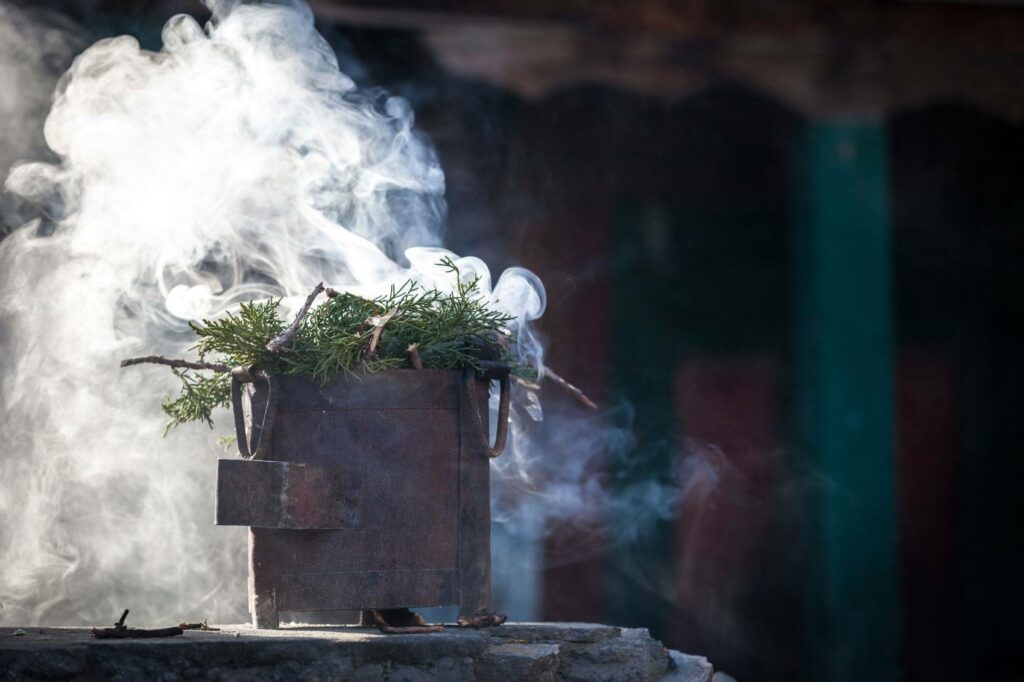
Once the death has been declared, cremation must be authorized by the mayor of the place of death. In mainland France, cremation takes place at least 24 hours and no more than 6 working days after the death. Cremation takes place in the crematorium closest to the place of death, where the coffin and body are reduced to ashes in a furnace, first heated to 800°C.
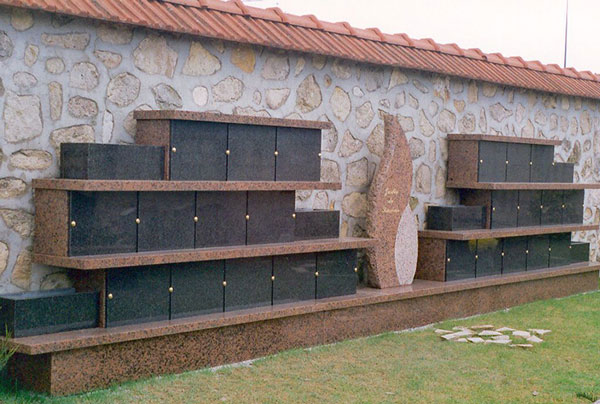
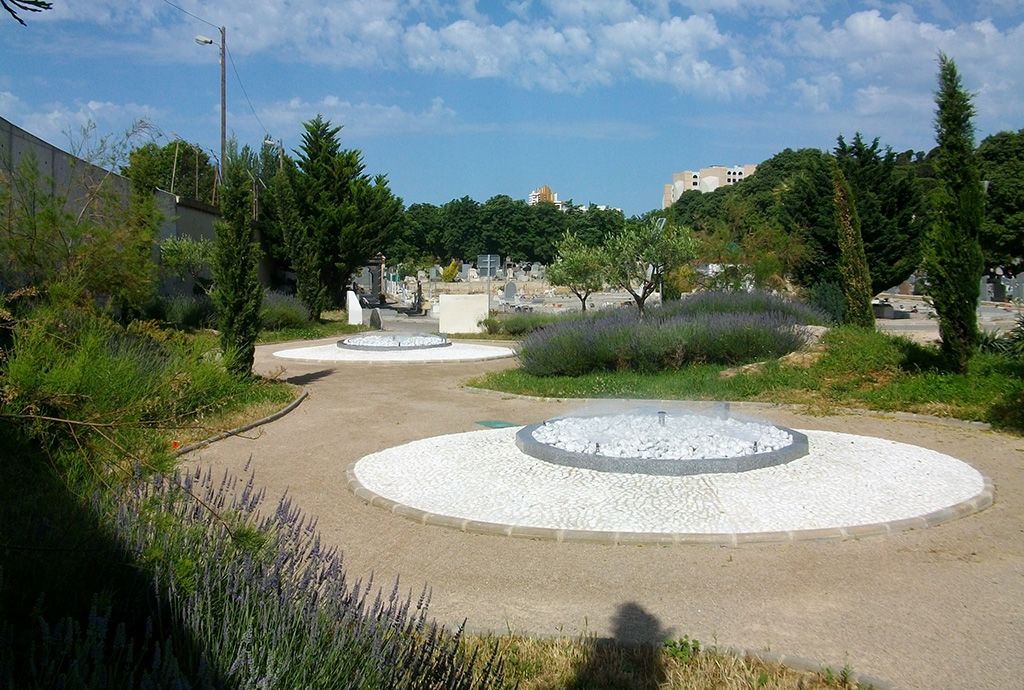
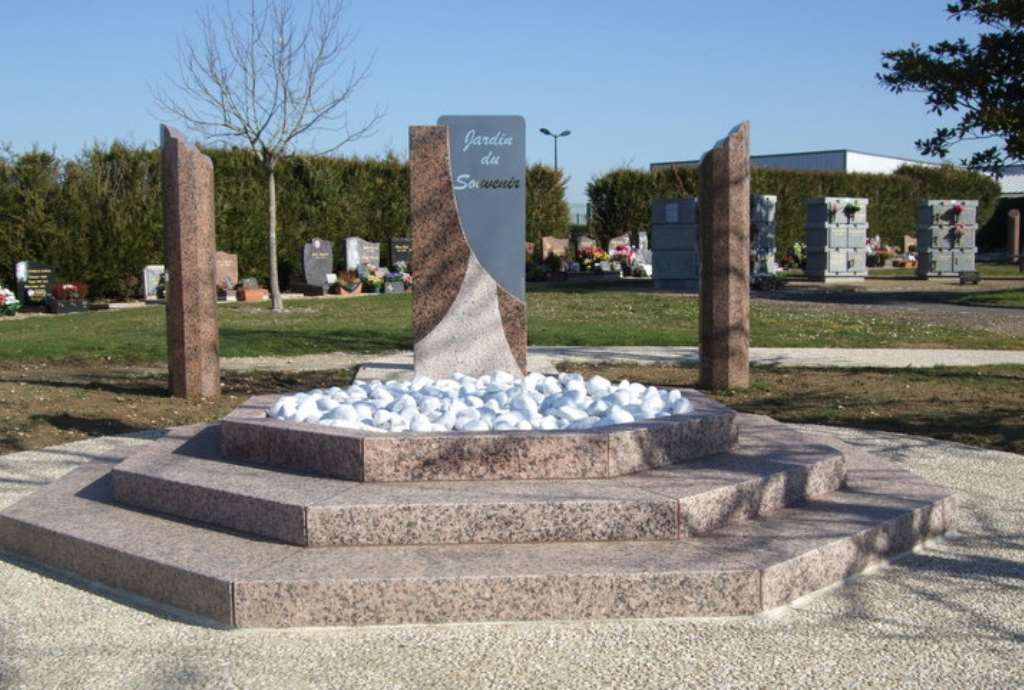
After cremation, the ashes are collected in a cinerary urn and placed in a grave or columbarium within the cemetery 's cinerary site. Depending on the wishes of the deceased or the family, the ashes can also be scattered in a memorial garden, an area set aside by the commune for the scattering of ashes.
Choosing cremation is an important decision. This transformation of the body into ashes is based on the wishes of the deceased, for a variety of reasons. Whether religious, philosophical, ecological or hygienic, cremation is not a trivial act and must respect the last wishes of the deceased.
The Granimond team