The cemetery is a place of remembrance, and the mayor is responsible for its design and maintenance. The choice of monument material is essential, both visually and financially. Specialists in cemetery design for 35 years, we recommend that local authorities opt for granite monuments, for their safety and durability.
Granite: a noble material for memorials
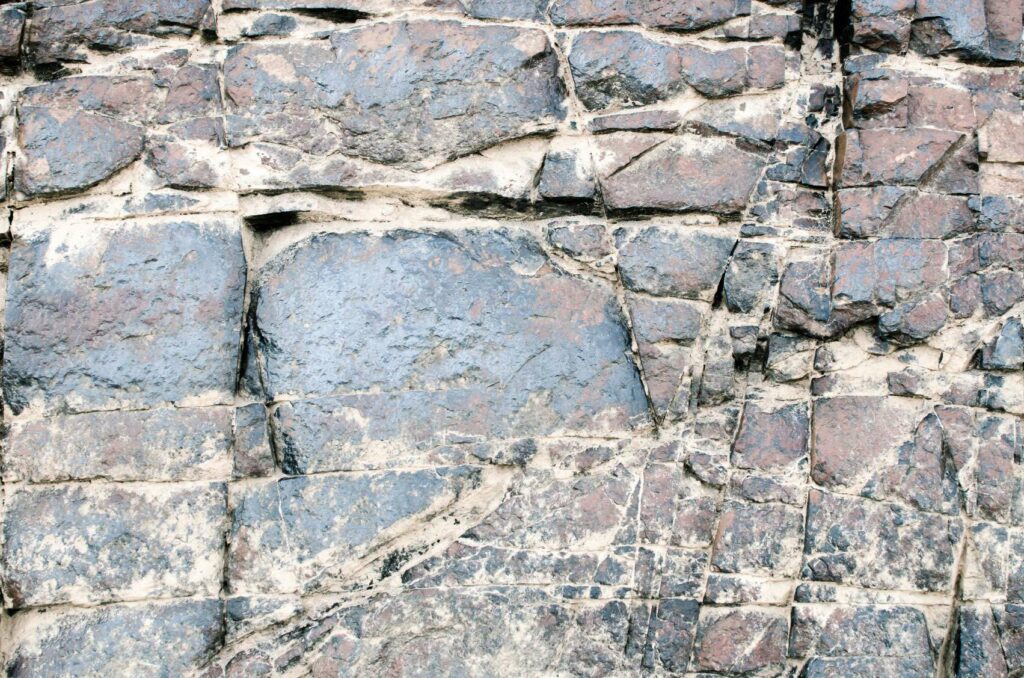
Granite is a deeply-formed, eruptive rock derived from magma which, as it cooled, solidified and crystallized at the heart of the Earth's crust. Granite is composed of a number of minerals (quartz, mica and feldspar) that give it virtually unalterable resistance to time, unlike marble, which is less resistant and whose brilliance gradually fades on contact with water and air. Once quarried (in the open air or underground), it is cut into blocks and polished, before being transformed into funerary monuments.
Granite, associated with eternity, is one of the world's most massive and solid natural minerals. This stone is found in prestigious sites such as the Mémorial du Général de Gaulle in Colombey-les-Deux-Églises and the Obélisque de la Concorde in Paris. It offers columbariums, memorial gardens and other commemorative monuments incomparable quality, while combining aesthetics and solidity.
Granite monuments for controlled cemetery management
Managing a cemetery and cinerary space takes time. The municipal council is responsible for them, and must meet the expectations of families. Cemetery layout and cleanliness are among the compulsory expenses for municipal authorities. Failure to do so may result in liability.
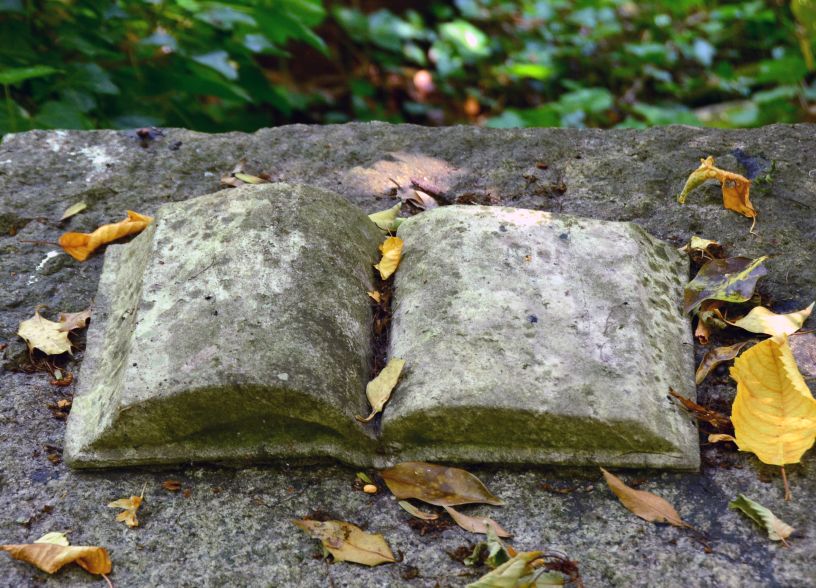
For high-quality creations, granite monuments are a wise choice. Highly resistant and requiring only light cleaning, this material withstands aggressive urban atmospheres without corrosion or color change. Made of crystallized rock, it can withstand anything. The appearance of moss and lichen deposits is also minimized, and the stone retains all its splendor. Granite monuments are part of a sustainable approach to long-term development and, consequently, optimized costs.
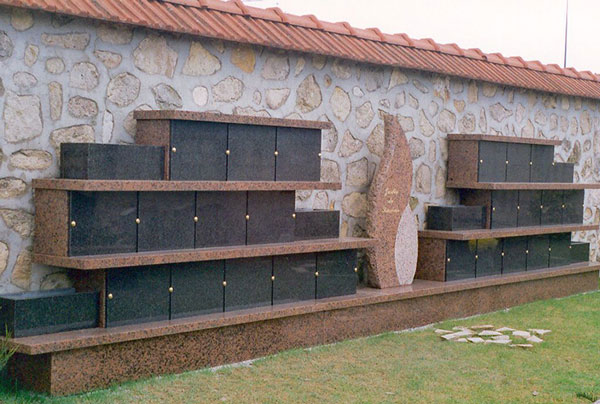
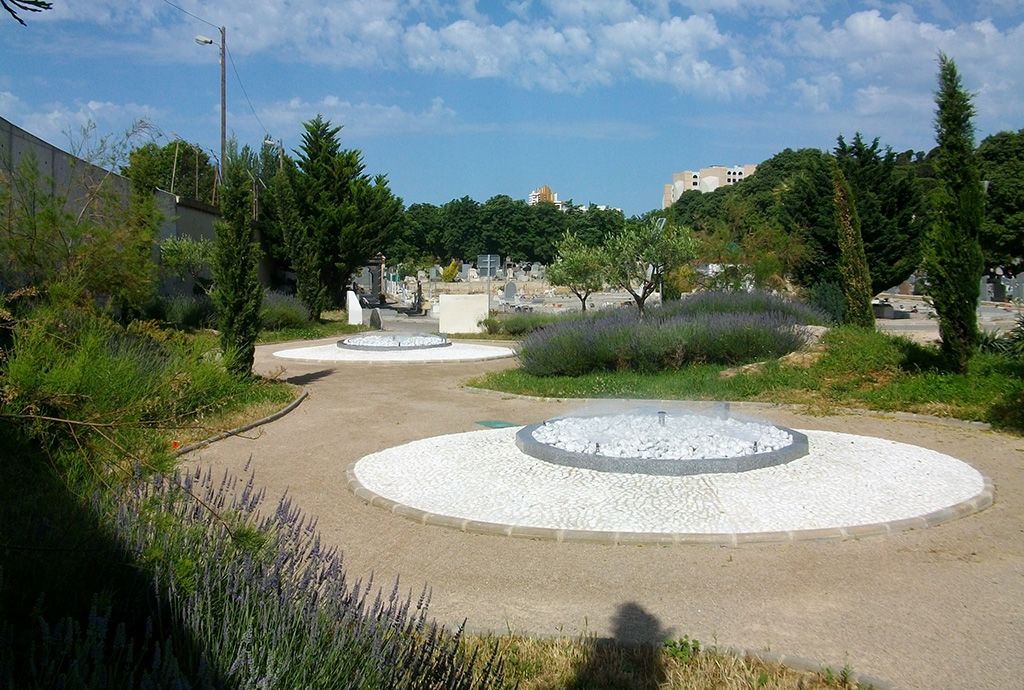
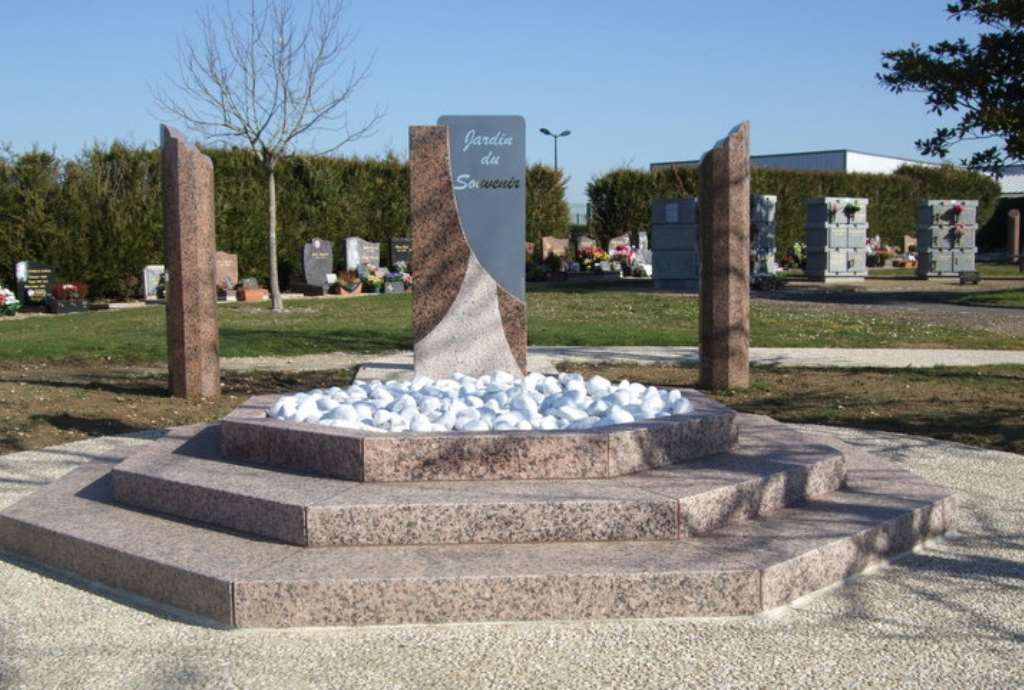
As places of remembrance and sharing, the presence of at least one cinerary site is mandatory for all communes or public establishments of inter-communal cooperation with a population of 2,000 or more.Columbaria and gardens of remembrance are places of remembrance where local authorities can create beautiful architectural and sculptural creations with pure lines. Granite is unquestionably the most suitable stone for these installations.
Our aim is to offer you a range of aesthetic and innovative solid granite funeral monuments that respect the memory of the deceased and the expectations of local residents. Whether you're a commune or a local authority, our team is at your disposal to support and guide you in the choice of all your funeral monuments.
The Granimond team