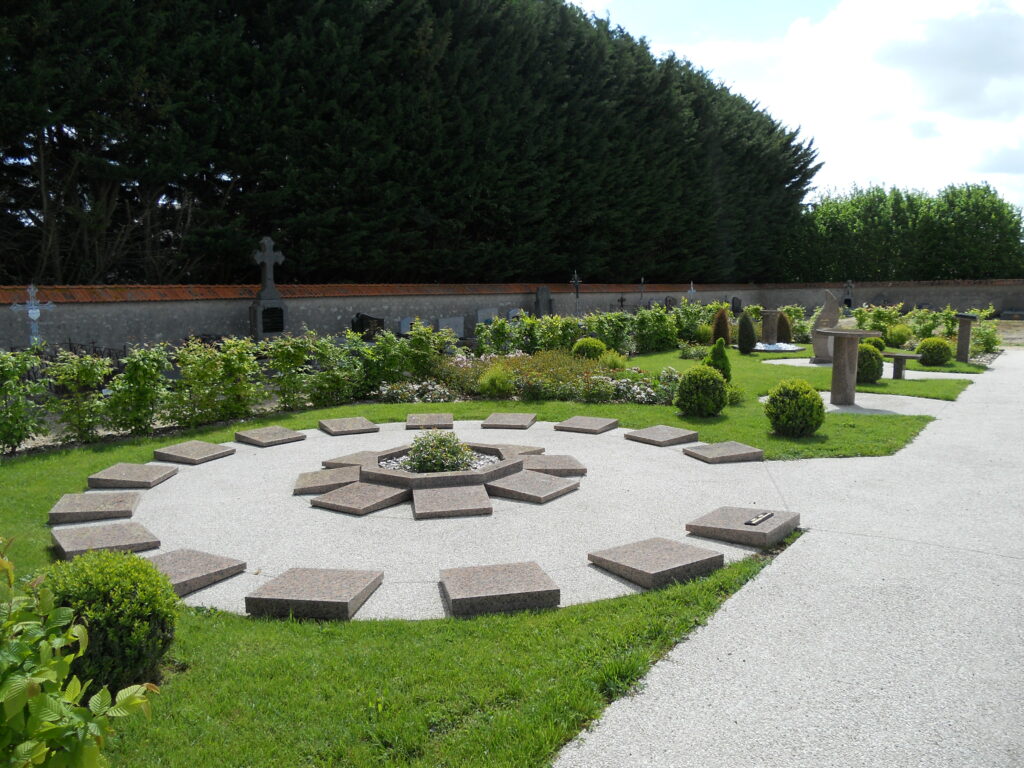
An underground burial site designed to accommodate the urns of the deceased, the cavurne is a cinerary monument with a special status. In fact, since the urn containing the ashes of the deceased is placed underground, it is a burial even though the body of the deceased has been cremated.
In this article, we'd like to take a look at the main features of this type of monument, as well as the involvement required of municipalities choosing this type of cinerary.
The look of a cavurne
The cavurne is a small container dug into the ground and covered with a granite or concrete lid. The cavurne consists of a receptacle below ground and a protective closing slab on the surface to ensure watertightness and protect the deceased's ashes from damp.
Personalization and flowering of the monument
The protective slab or closing plate can be personalized to a greater or lesser extent, depending on the wishes of the deceased and their families, and also on the cinerary regulations drawn up by the commune. This slab will serve as a flowering support for the families and will allow a small plaque to be placed on it.
In the same way, a personalized commemorative stele can be installed on the above-ground part of the cemetery. Possible additions will depend on the choice made by the commune at the outset, i.e. whether to opt for a harmonious, identical installation for all families, which will remain the property of the commune, or to leave it up to the family to choose whether to cover the cavurne with a personalized slab and stele. In the latter case, the family will own the "mini-tomb" and will be responsible for its upkeep for the duration of the concession.
Managing this category of monument
Cavurne - what legislation?
The cavurne can be considered as a cinerary monument, since it can accommodate the ashes of the deceased. It therefore complies with the 2008 legislation requiring communes of over 2,000 inhabitants to have at least one cinerary space, and above all with the ban on keeping cinerary urns in the family home.
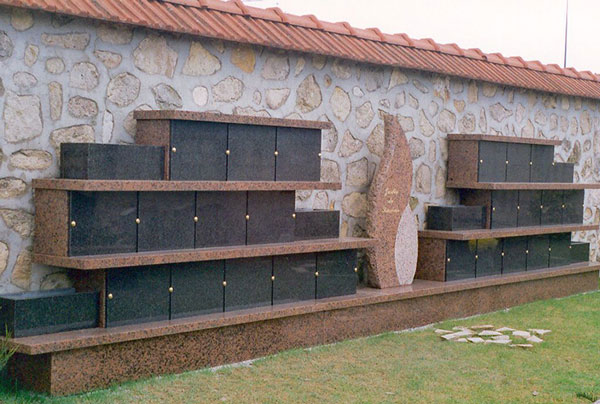
However, unlike other cinerary monuments such as the columbarium, which holds dozens of urns, the cavurne is a place for individual remembrance.
Cavurne - what management implications for town halls?
Because of their individual nature, cavurns are managed by municipalities in the same way as traditional graves, which means that they have the same legal status as traditional burials. Two types of concession are available:
- concessions pre-fitted with small vaults called "cavurnes
- full-ground concessions (consisting of caveautins: bottomless vaults) at the family's expense, known as "mini-tombes".
Land
Given their individual nature and their footprint of at least 1m2, cavurns don't allow local authorities to make the most of their land. What's more, cavurns are considered to be traditional burials and must therefore comply with current spacing regulations(30cm between each cavurn). This means that a larger area of land will be required, which is less profitable from a land standpoint. What's more, cavurns should preferably be installed in an unspoilt, wooded setting.
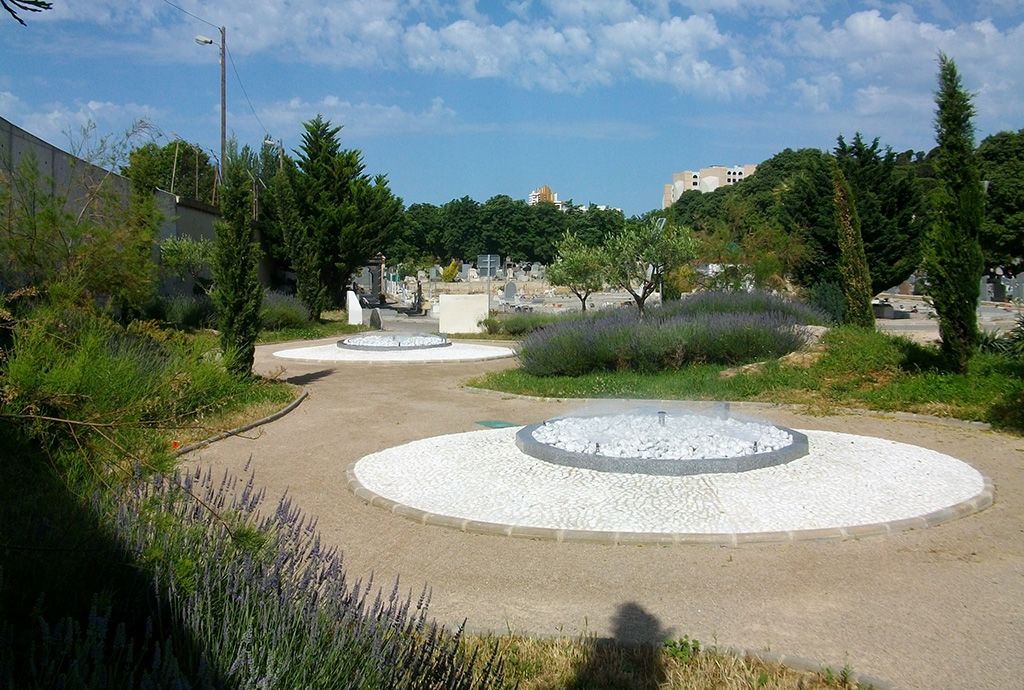
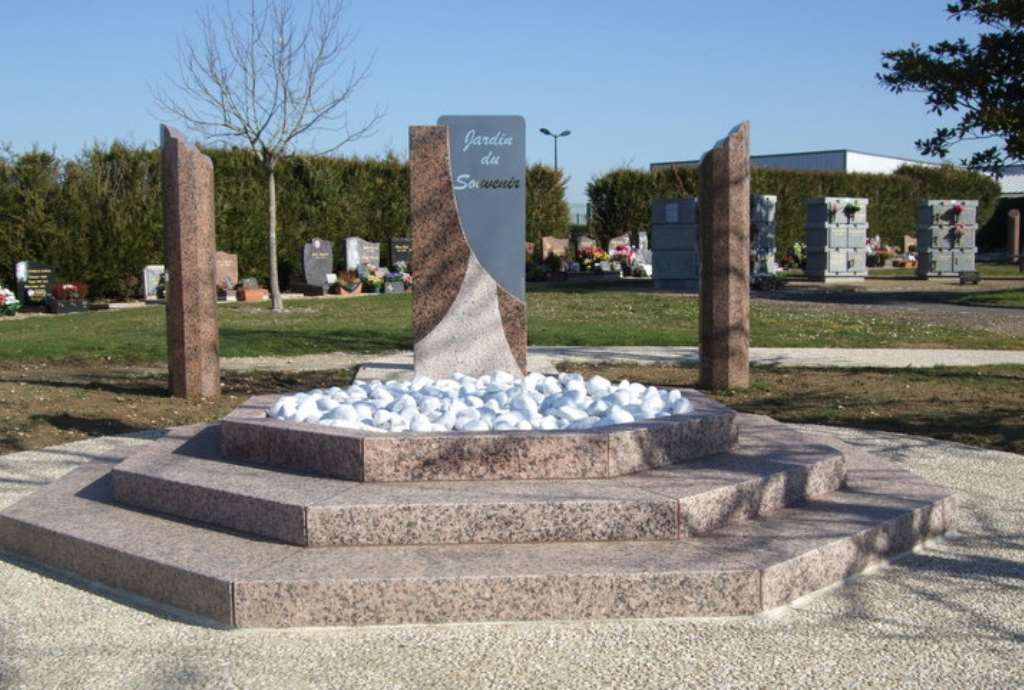
That's why, in view of the steady rise in cremation and the saturation of cemeteries in France, we recommend that you first opt for more collective cinerary monuments such as columbariums and memorial gardenswhich today come in a wide range of shapes and designs. If the land available in your community allows it, you can opt to install a columbarium and a garden of remembrance to make the most of your land, as well as additional cavurnes to give families even greater choice.
In this article, we've outlined the main features of the cavurne, as well as the implications for communes choosing this type of cinerary monument. If you have any further questions about the various cinerary monuments, please don't hesitate to contact us.