In everyday language, the notions of funerary urn and cinerary urn are used synonymously. This is an error in the usage of the French language. The terms "funéraire" and "cinéraire" should not be confused. Only the term "cinéraire" can be associated with the word "urn".
Distinguishing between the notions of cinerary and funerary
We should be talking about cinerary urns, not funerary urns. The fact that your commune uses this term correctly is proof to your constituents that you have mastered the cinerary sector. It's a way of reassuring them about your plans to create a space dedicated to accommodating cinerary urns.
- Focus on the notion of funerary
The word "funerary" refers to the notion of a "funeral" and the commemoration of the memory of a deceased person. The term also evokes the grave or tomb.
We therefore commonly speak of vaults, chapels, slabs, stones, plaques, statues, inscriptions, wreaths, garlands, orations and funeral rituals, rather than funeral urns.
- Focus on the notion of cinerary
The term "cinerary" refers to the ashes of the deceased and the means of preserving them: a cinerary urn.
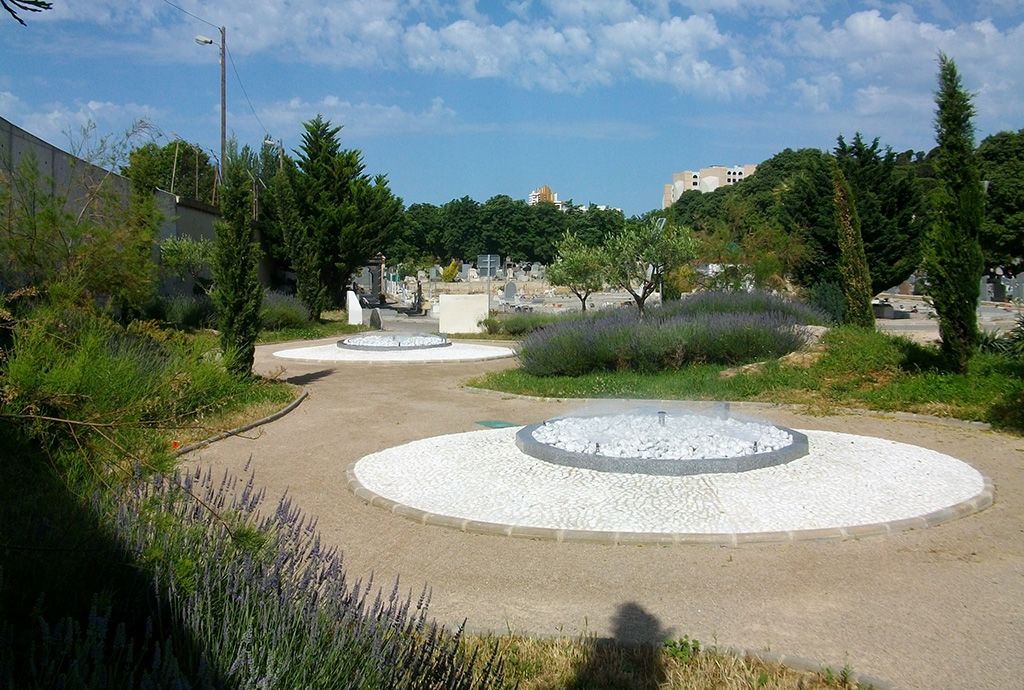
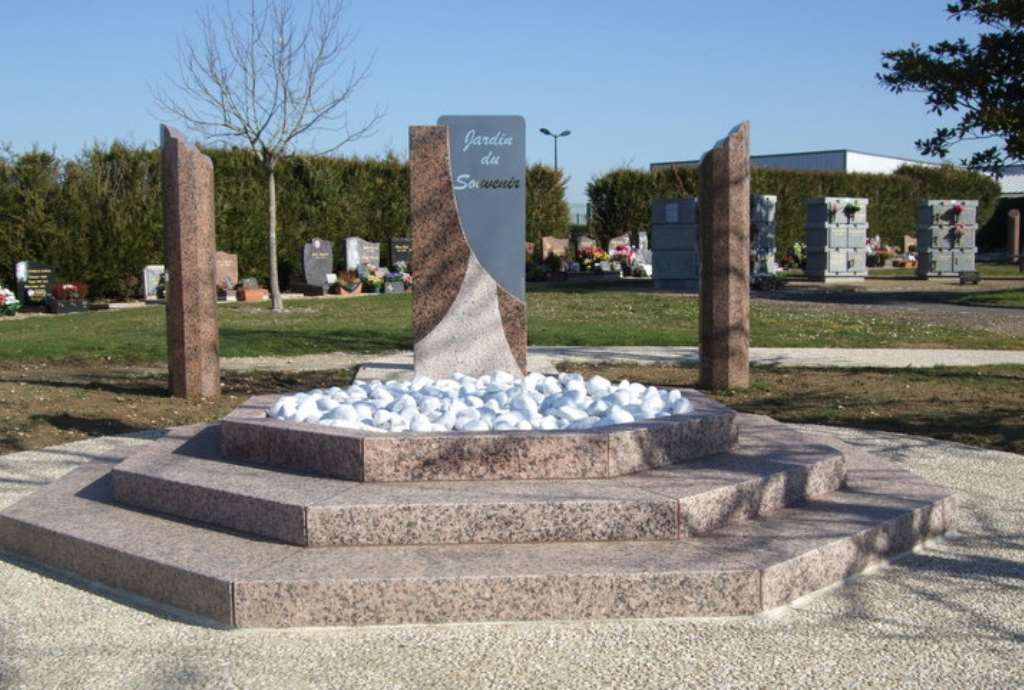
Since the law of December 19, 2008, which came into force on January1, 2013, municipalities with more than 2,000 inhabitants must have a cinerary site within their cemetery. This cinerary space is a site dedicated to the memory of the deceased who have been cremated. It allows the urn to be deposited, the ashes to be scattered and the families to gather together.
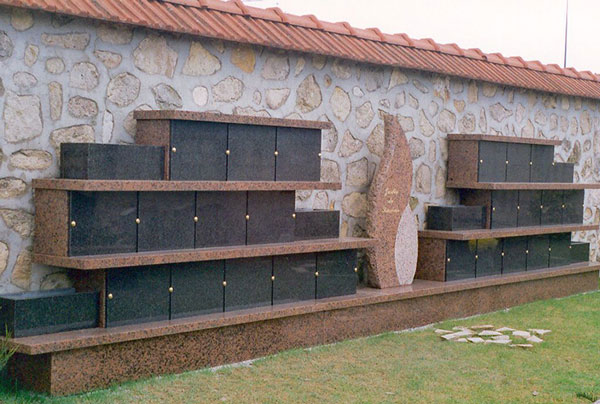
The cinerary site comprises a garden of remembrance or space for scattering ashes (including a process for identifying the names of the deceased), a columbarium with compartments for cinerary urns or concessions for cinerary urns.
What is a cinerary urn?
In the French language, it is correct and appropriate to associate the term "urne" with the word "cinéraire".
A cinerary urn is a receptacle for the ashes of the deceased, following cremation. The cinerary urn is marked with the identity of the deceased and the name of the crematorium. The ashes are placed in an "ashtray", fixed inside the cinerary urn. The urn can be made of marble, bronze, stone, alabaster, ceramic or even cardboard. Finally, a cinerary urn must be sealed in accordance with French legislation.
The cinerary urn can be buried in a grave, placed on a monument in the cemetery or deposited in a columbarium cell.
However, families may not decide on the destination of the cinerary urn. In this case, the urn is kept for one year at the crematorium. Once this period has elapsed, if no decision has been taken, the ashes are scattered in the garden of remembrance. This is the cinerary space belonging to the cemetery of the commune of the place of death, or the nearest suitable facility.
It should be noted that a cinerary urn cannot be kept at home, buried on private property or contain a mixture of ashes, in accordance with the law of December 19, 2008.
The Granimond team