
According to theAssociation Française d'Information Funéraire, cremations will account for 50% of funerals in France by 2030. This is a development that local authorities need to anticipate if they are to meet their commitments to their constituents.In France, town halls are responsible for ensuring that there is sufficient space to accommodate the deceased in cemeteries. As cemeteries become increasingly saturated, the development ofcinerary spaces will be a major challenge over the next few years.
The evolution of cremation in France
An ancestral funeral practice, cremation was long considered a confidential undertaking. Authorized by the Catholic Church in 1963, cremation really took off in the 90s. Since 1994, the cremation rate in France has risen from 10% to 36% in 2017.
This development is set to increase in the future, since according to a 2015 IPSOS survey, 51% of French people now prefer cremation à l'burial. Nevertheless, France still lags behind other European countries. In Switzerland, for example, 89% of funerals are cremations.
Why choose cremation over burial?
In France, there are several reasons for the development of cremation. For a start, the financial costs to the family of the deceased are lower than those for burial.
Another reason for the popularity of cremation is the desire to respect the environment. It's true that crematoria release polluting gases into the air during cremation, but the pollution emitted remains lower than that of a burial. Between grave maintenance, coffin making and thanatopraxy, burial is far from being an environmentally-friendly practice.
Nevertheless, the argument most often put forward in favor of cremation is the desire of the deceased not to be a "burden" on their loved ones. The various constraints (maintenance, costs, administration...) associated with a funeral plot encourage the French to choose cremation so as not to "weigh down" the future of their loved ones. A preference that makes perfect sense when you consider the geographical relocation of today's families.
Town halls must take the lead
Faced with these new behaviors, local authorities are obliged to upgrade their cemeteries to offer cinerary spaces that meet the expectations of their constituents. Initially constrained by the law of December 19, 2008, which requires municipalities with more than 2,000 inhabitants to provide families with at least one cinerary space, town councils now have a responsibility to take the lead to avoid finding themselves with saturated facilities.
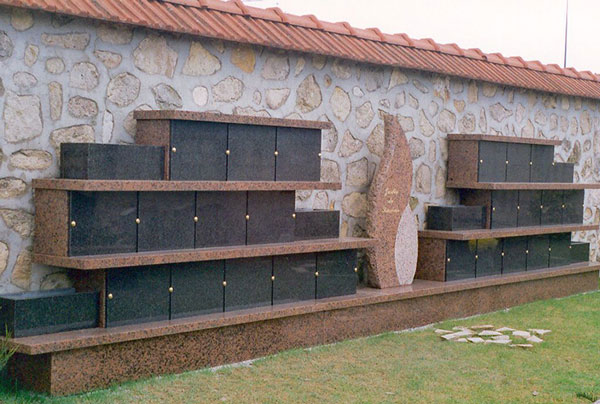
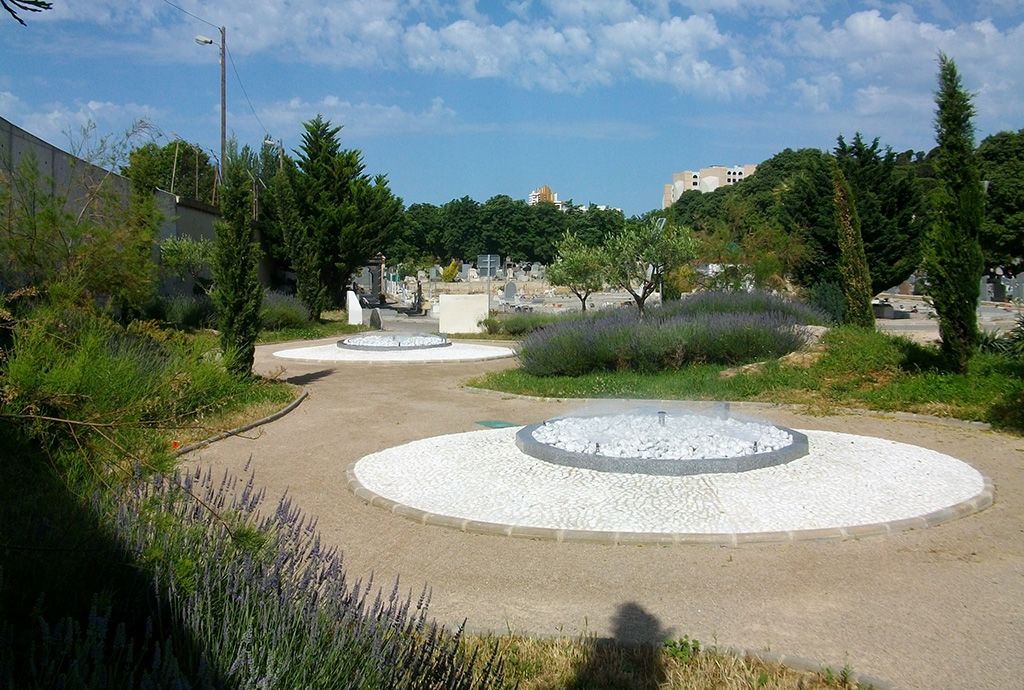
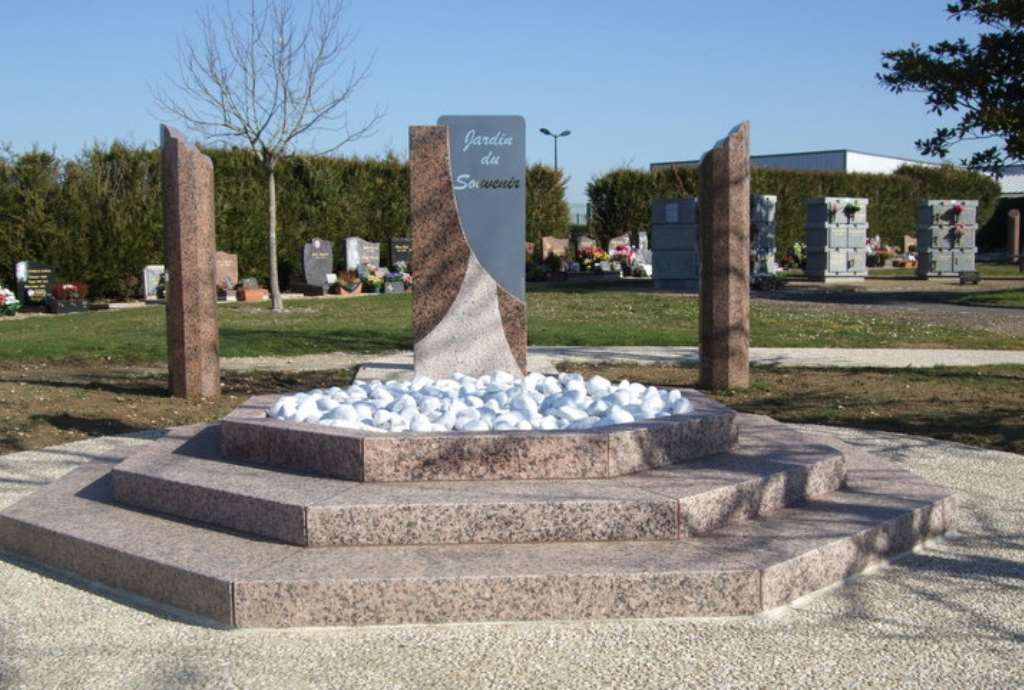
To achieve this, they have a number of facilities at their disposal, adapted to the different configurations of a cemetery: columbarium, gardens of remembrance or cavurnes. As far as possible, they should also choose evolving cinerary spaces to guarantee a homogeneous cinerary site, and thus provide families with more pleasant spaces in which to pay their respects.
In order to alleviate cemetery saturation, our advice would be to give preference to columbaria rather than cavurnas. Cavurns or buried urns require a footprint of at least 1m2 for individual burials, as opposed to columbaria, which are more collective, and therefore do not enable communes to make the most of their land.