
While the number of people choosing cremation is steadily increasing, the standards and obligations surrounding the status and destination of ashes remain poorly understood. Here's all you need to know about the places where ashes can be scattered or preserved.
The ashes of the deceased have the same status as a body
The law of December 19, 2008 on funeral legislation states that " the remains of deceased persons, including the ashes of those whose bodies have been cremated, must be treated with respect, dignity and decency ".
Public authorities therefore have a duty to provide residents with the full range of cinerary services and monuments to meet the wishes of the deceased. You should also be aware that, since the law came into force on January 1, 2013, ashes can no longer be kept at the home of loved ones. Two solutions can be offered to families by the town hall:
- Preservation in a cinerary urn, itself placed in a grave (or sealed onto it) or in the columbarium, within the cemetery.
- Scattering in the dedicatedcinerary space, known as the " garden of remembrance ".
Indeed, the cremation ceremony must be held in decent surroundings and conditions, respecting the memory of the deceased. In addition, a place of remembrance will be greatly appreciated by all those who wish to say goodbye in peace.
Columbariums, cinerary sites for preserving the ashes of the deceased
The law of December 19, 2008 also stipulates that : " (...) Communes with a population of 2,000 or more, or public inter-communal cooperation establishments with a population of 2,000 or more with jurisdiction over cemeteries, have at least one cinerary site for the ashes of deceased persons whose bodies have been cremated.
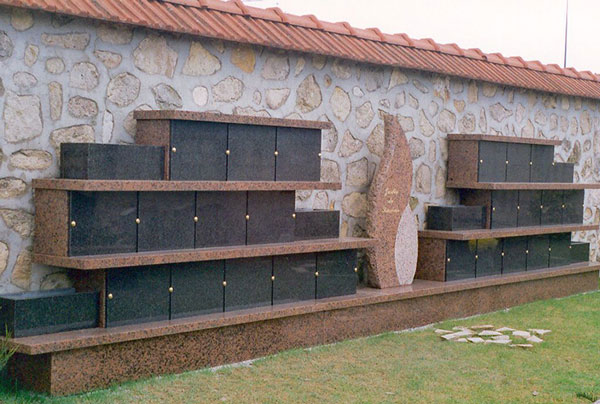
The columbarium is a commemorative monument for cinerary urns: " After cremation, the ashes are pulverized and collected in a cinerary urn with an external plaque bearing the identity of the deceased and the name of the crematorium ". Composed of sealed niches and completed by an identification plaque, recalling the identity of the deceased, it is an important symbolic place in the cemetery.
Granimond offers local authorities a wide range ofsolid granite columbariums, so that you can make your choice according to your constraints in terms of space, number of inhabitants, and technical and human resources. As specialists in cinerary sites, we can advise and support you throughout your project.
Scattering the ashes of the deceased: gardens of remembrance
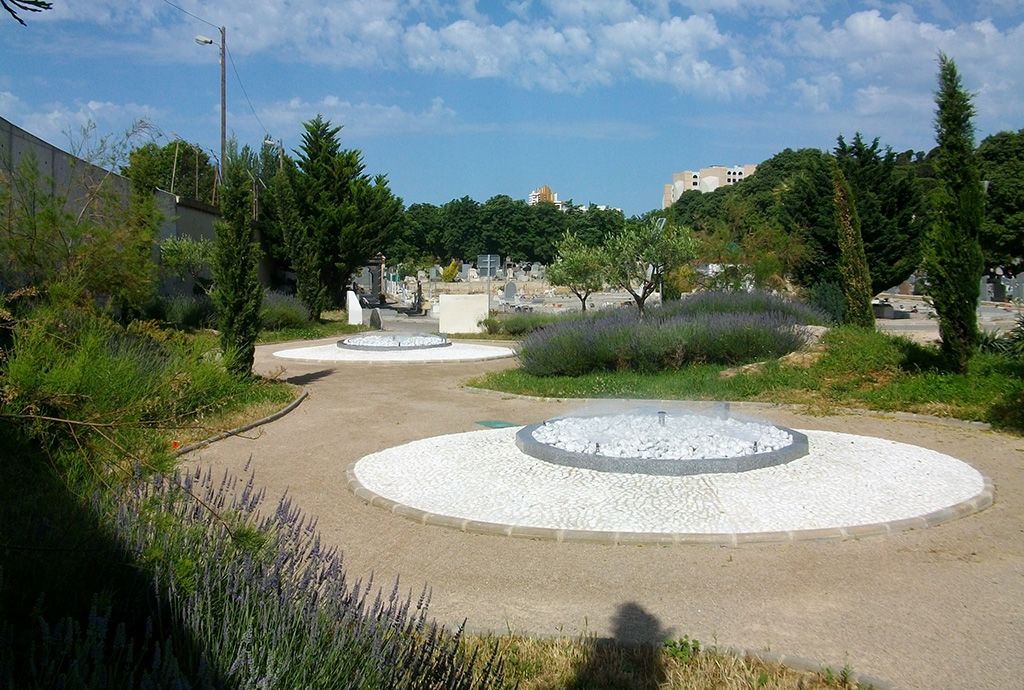
Another essential cemetery site is the memorial garden. This is where families can scatter their ashes after cremation.
The law of December 19, 2008 also states that " the cinerary site intended for the ashes of deceased persons whose body has given rise to cremation includes a space set aside for their scattering and fitted with equipment indicating the identity of the deceased, as well as a columbarium or conceded spaces for the burial of urns ".
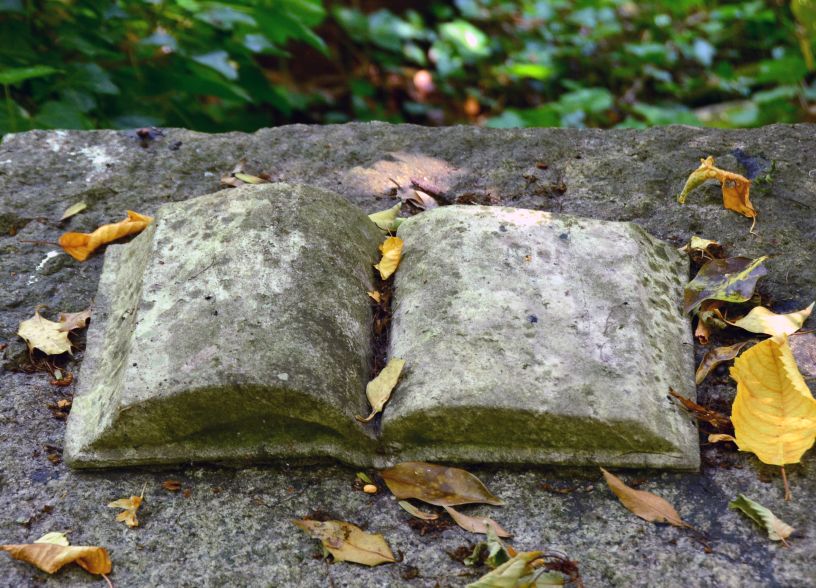
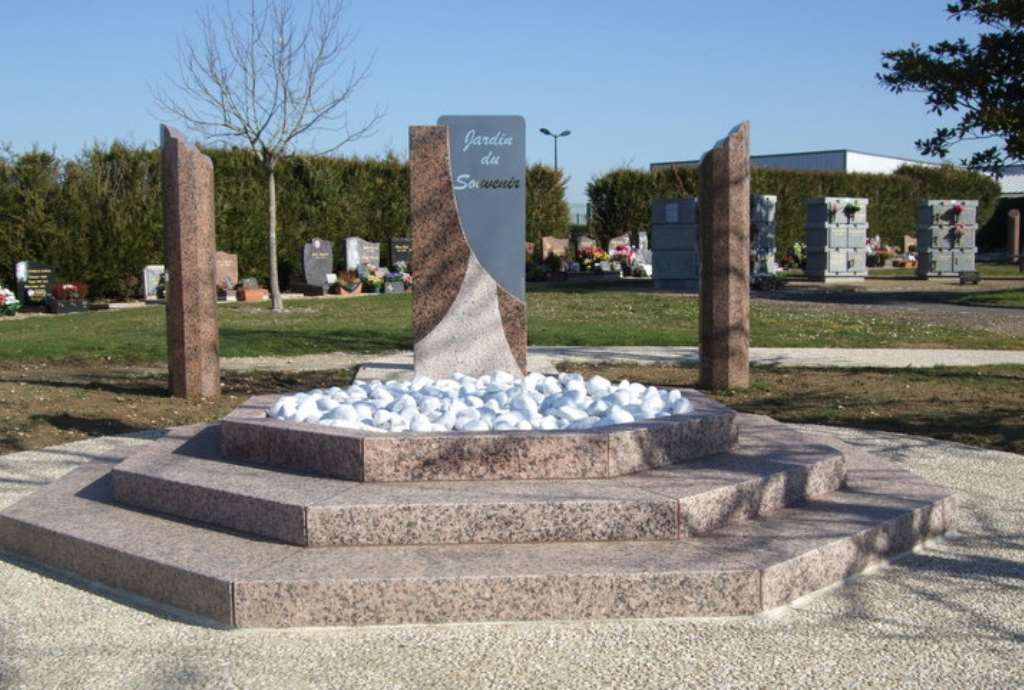
Gardens of remembrance consist of a landscaped area, elements symbolizing remembrance (stele, book or column bearing the names of the deceased) and monuments for scattering ashes: by burial in a basin or scattering in a sump, for example.
Here again, the Granimond team puts its experience in the cinerary field at your service, to guide you in your choices and keep you informed of all legal developments. Through our catalog of memorial gardens, you'll find all the solutions to meet the specific needs of your community.
It is essential for local authorities to be familiar with the legislation and obligations concerning the destination of cremated ashes.
The Granimond team