
Cremation: what signage is needed to preserve the memory of the deceased?
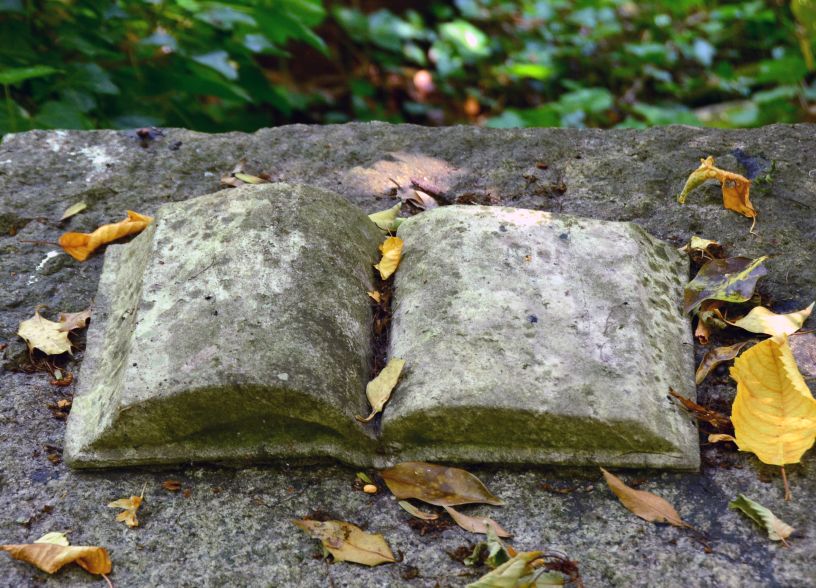
After cremation, the ashes of the deceased are placed in a cinerary urn. They are then scattered either in a garden of remembrance or in a columbarium. How, then, can the memory of the deceased be preserved to facilitate the family's remembrance? Granimond takes a look at suitable signage and the various options available.
What is a memorial garden?
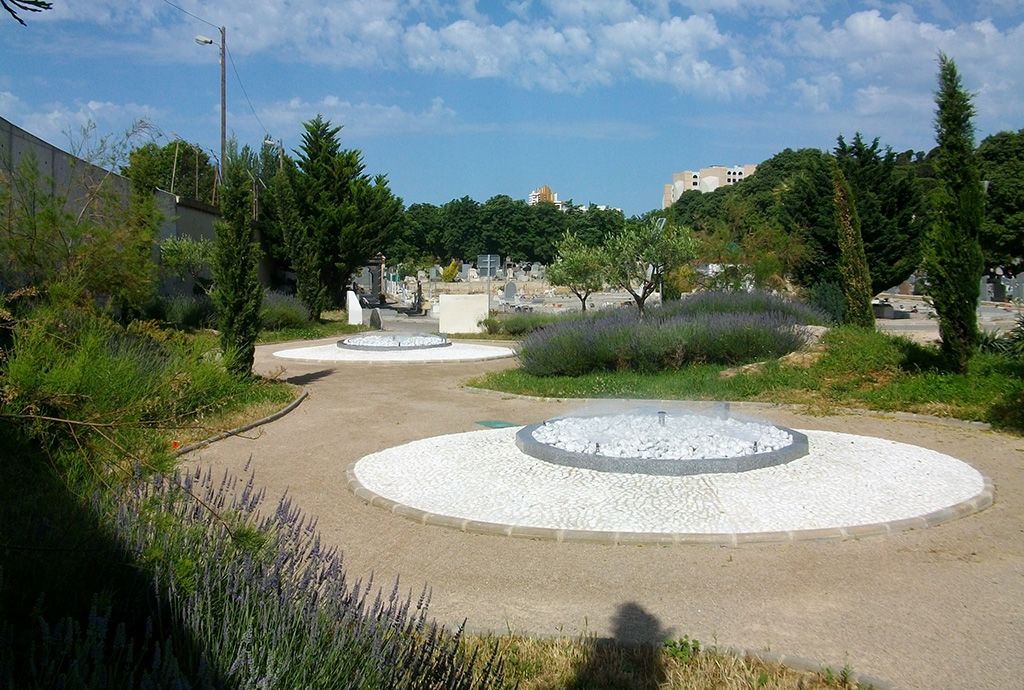
Following the law of December 19, 2008, which came into force on January 1, 2013, municipalities with more than 2,000 inhabitants must create a dedicated cinerary space. Many municipalities have therefore opted for the jardin du souvenir, a space for scattering ashes. What does it look like? How does it work? From [...]
How do you design a cemetery to accommodate the ashes of the deceased?
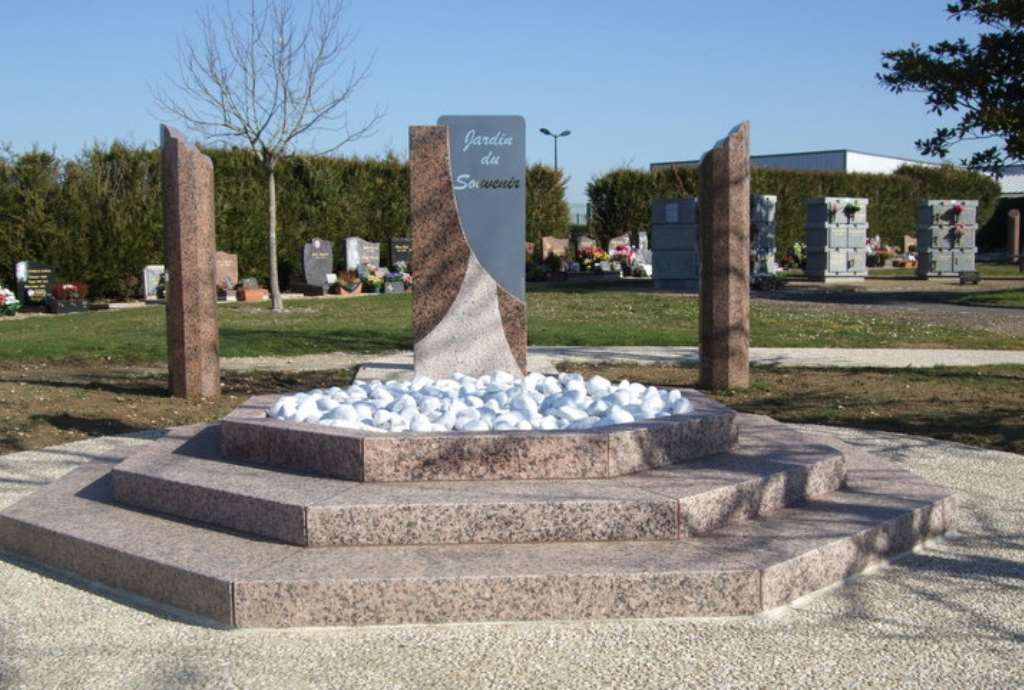
In accordance with the law of December 19, 2008, which came into force on January 1, 2013, municipalities with more than 2,000 inhabitants are required to create a cemetery space in their cemeteries. The aim? To accommodate the ashes of the deceased after cremations. If you are a municipality and you have questions about the layout of your cemetery [...]
Like burial, the scattering of ashes must also have a ceremony.

Still considered marginal just a few years ago, cremation is now the preferred option of over a third of French people for their own funerals. Despite this evolution, the ceremonial surrounding this mode of burial is slow to take root in the collective consciousness. Nevertheless, the scattering of ashes remains a very important ceremony [...].
Why will the number of cremations soon exceed the number of burials?

According to the Association Française d'Information Funéraire, cremations will account for 50% of funerals in France by 2030. This is a development that local authorities need to anticipate if they are to meet their commitments to their constituents.
Granimond helps local authorities cope with falling public subsidies
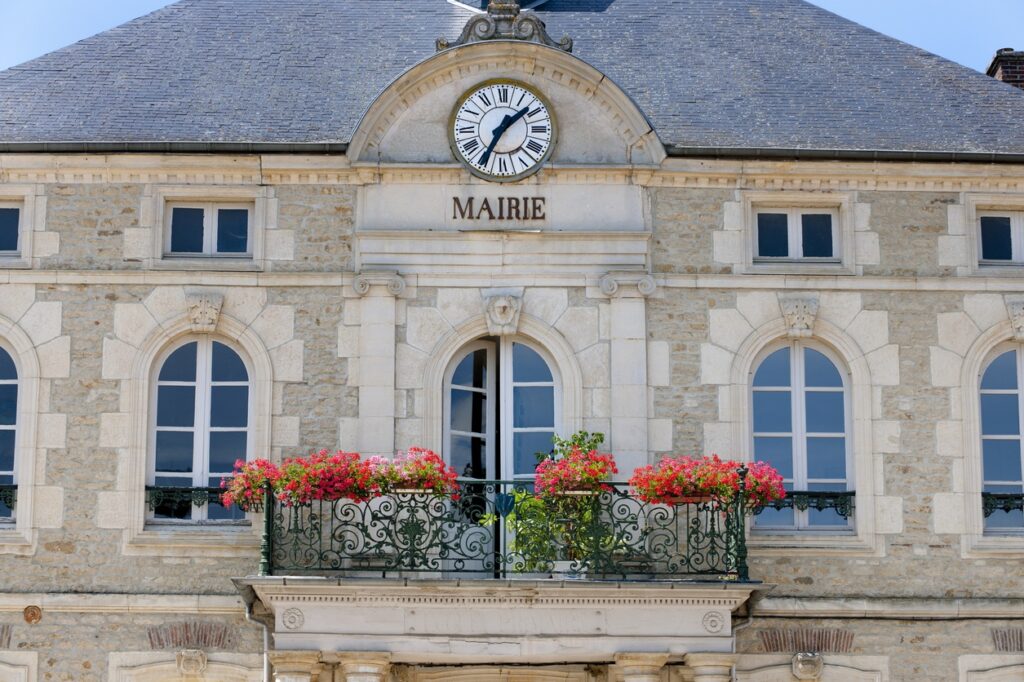
In France, communes are responsible for managing cemeteries. According to article L.2213-9 of the French Code Général des Collectivités Territoriales, town councils are responsible for clearing access roads, maintaining green spaces and, more generally, ensuring that the cemetery runs smoothly. This means that, in addition to maintenance, town [...]
Cemetery saturation: what can be done about it?
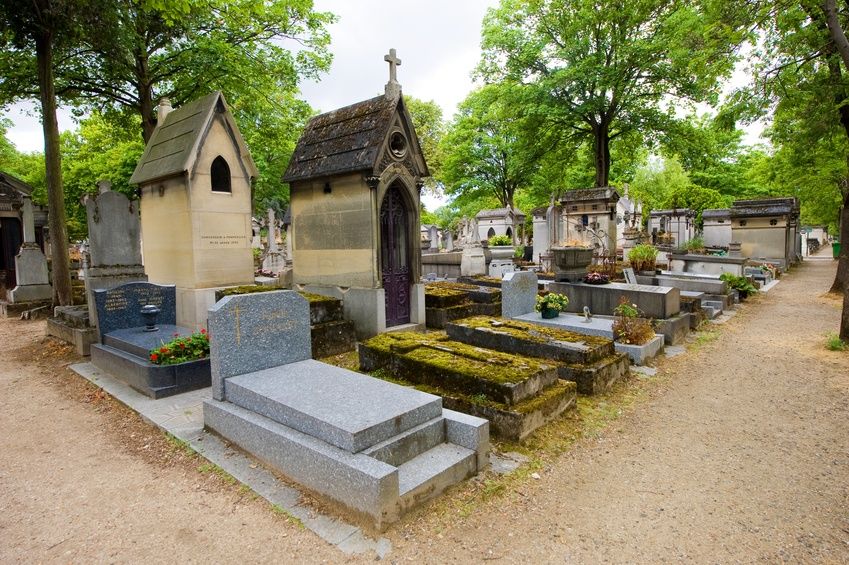
When a cemetery nears saturation, it's up to the mayor's office to remedy the situation. As the mayor exercises management powers in conjunction with the commune's municipal council, the creation, development and extension of cemeteries, as well as cinerary spaces, fall within their remit. Cemetery saturation: cremation opens up new horizons In the face of the demographic explosion [...]
Should I choose between a memorial garden or a columbarium?

Since January 1, 2013, it has been compulsory for all communes (and groups of communes) with a population of 2,000 or more to create at least one cinerary space, but it's important not to confuse a remembrance garden with a columbarium. One is reserved for scattering ashes, the other for storing them. Town halls must take care to [...]
Why choose granite monuments?

The cemetery is a place of remembrance, and the mayor is responsible for its design and maintenance. The choice of monument material is essential, both visually and financially. As specialists in the design of cemetery spaces for 35 years, we recommend that local authorities opt for granite monuments, as a guarantee of [...]
Incineration, cremation: what language should be used when communicating with local residents?

Cemetery management is the responsibility of the local council. Whether it's a question of upkeep, development or extension, the role of the town hall is essential, and it is the main point of contact for all citizens. In addition, since the law of December 19, 2008 requiring all municipalities to [...]